
Avenue d'Ouchy 30, 1006 Lausanne
info@medicol.ch
Monday - Saturday: 7.00am - 7.00pm
Sunday: 8:30am - 7:30pm
flag English

Meniscus injuries

##Anatomical_zone##

Introduction

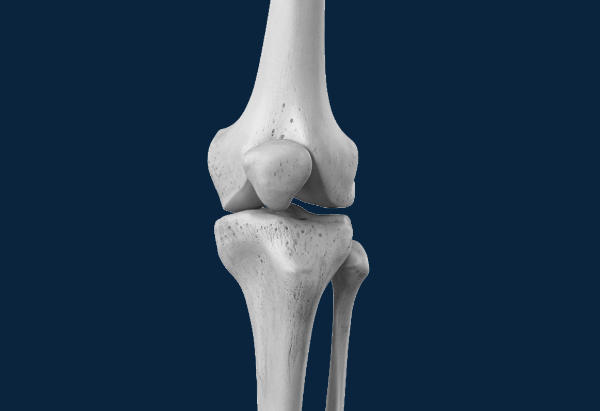
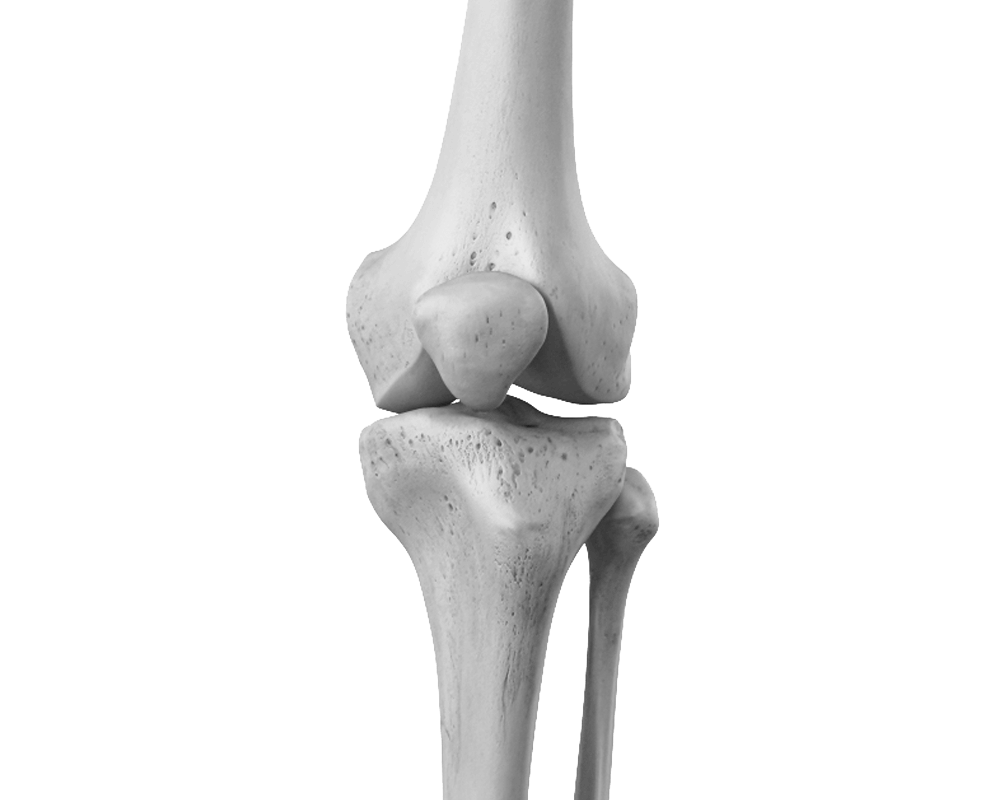
The knee comprises two distinct joints: a weight-bearing condylar joint formed by the femur and tibia, divided into two compartments, medial and lateral, and a trochlear joint formed by the patella and femur. The patella is a sesamoid bone, meaning a bone embedded within a tendon (in this case, the quadriceps tendon). This joint guides the knee's extensor mechanism and amplifies the force of the quadriceps muscle located on the anterior aspect of the thigh.

Information brochure

Discover our information brochure.

Anatomy and biomechanics

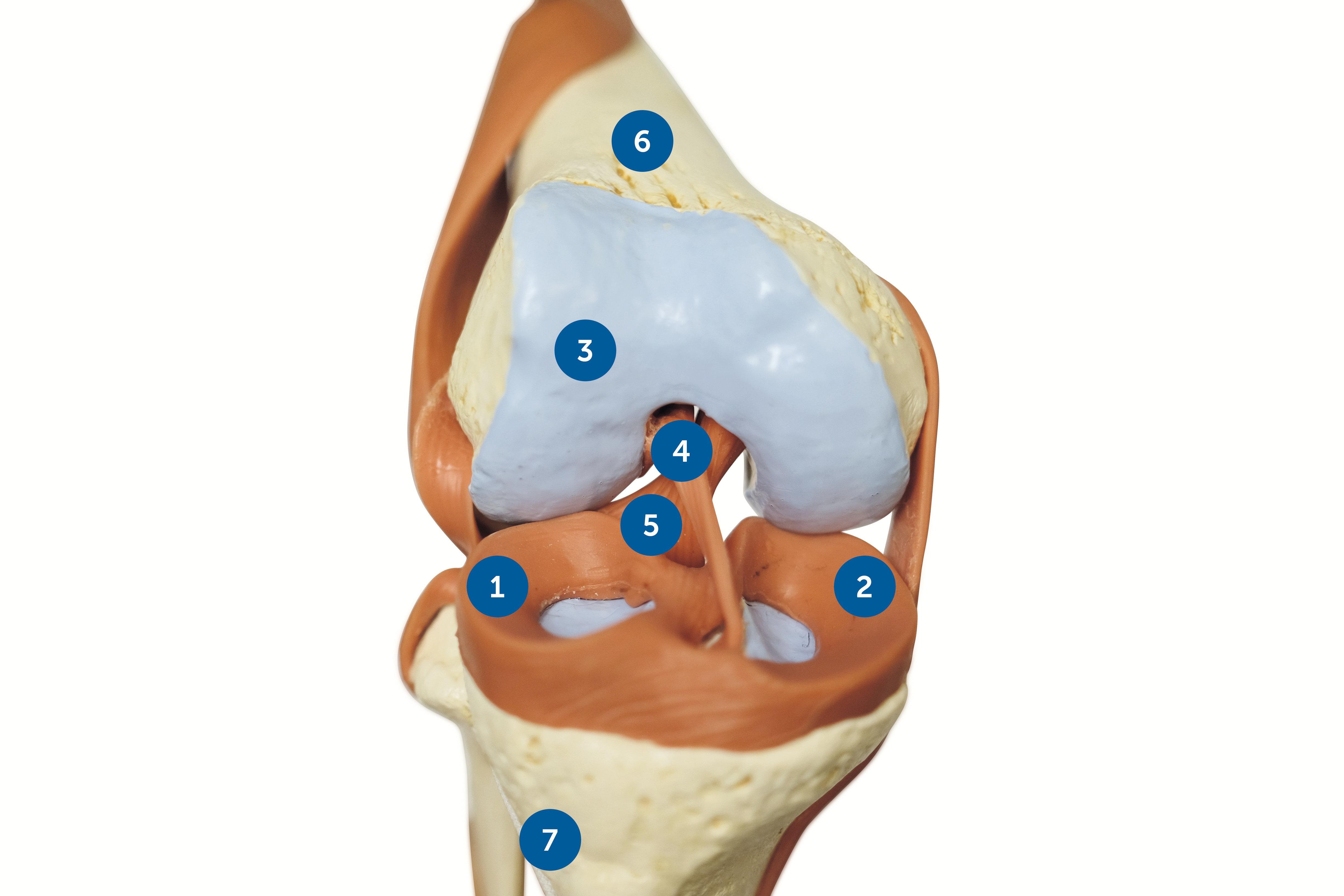
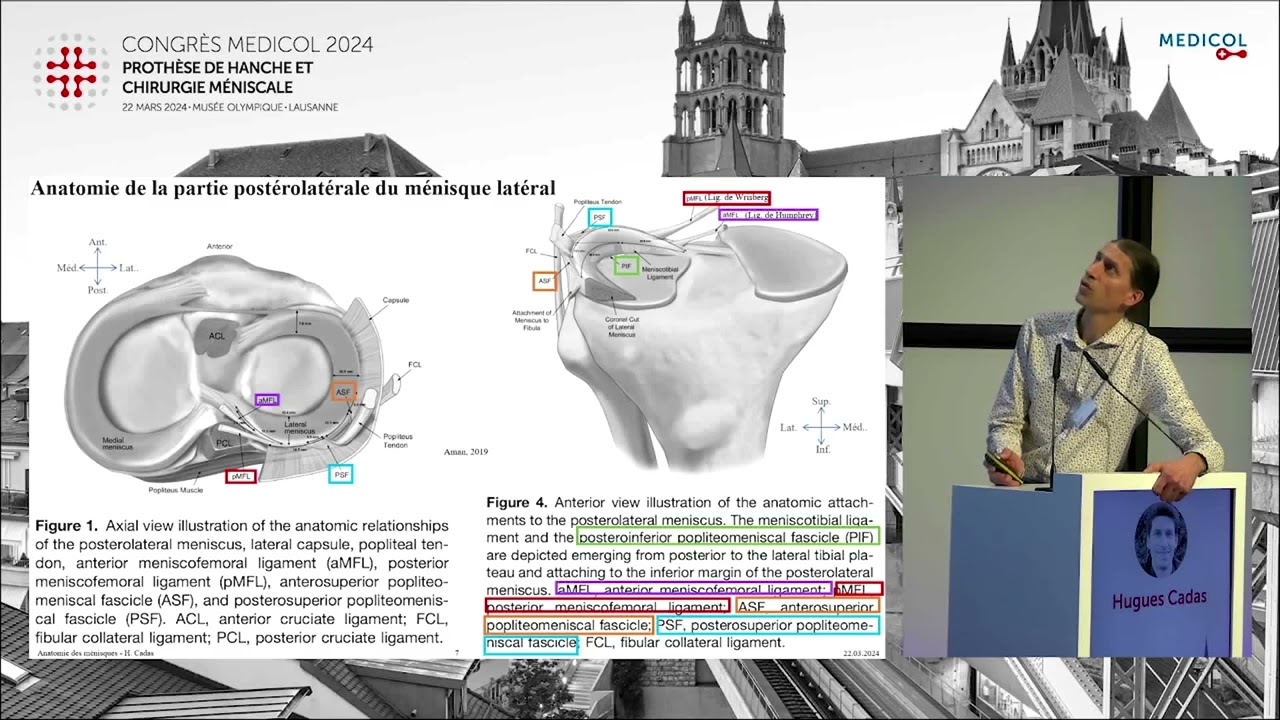
External meniscus (1), Internal meniscus (2), Cartilage (3), ACL (anterior cruciate ligament) (4), PCL (posterior cruciate ligament) (5), Femur (6), Tibia (7).

The ligamentous apparatus stabilizes the knee and controls joint movement; the cruciate ligaments are located in the center of the joint, and the collateral ligaments are at the periphery. Inside the joint, the bones are covered with cartilage, a very smooth and flexible tissue that facilitates the gliding of the articular surfaces against each other and simultaneously cushions impacts.

The menisci, made of fibrocartilage, ensure load distribution and stability during movement by adapting to changes in the radius of curvature of the femur. Their role is to stabilize, shock-absorb, and also lubricate the cartilaginous surfaces. The medial meniscus has a crescent shape, while the lateral meniscus, which is thicker, has a more disc-like appearance.

Screening and Diagnosis

A sprained knee or simply rising from a squatting position can cause a meniscus tear. Swelling is not always present. A meniscal tear is suspected when:

  • The pain is located precisely on the joint line between the femur and the tibia on the inner or outer side (respectively for a lesion of the inner or outer meniscus)
  • The pain is present not only upon palpation but is exacerbated during pivoting movements or in extreme positions of knee flexion or extension.
  • There is an inability to squat completely or phenomena of blocking


A thorough clinical examination combined with a description of the event that led to the onset of symptoms is usually sufficient to suspect a meniscal tear. Specific clinical tests exist to detect meniscal tears and are reproducible.

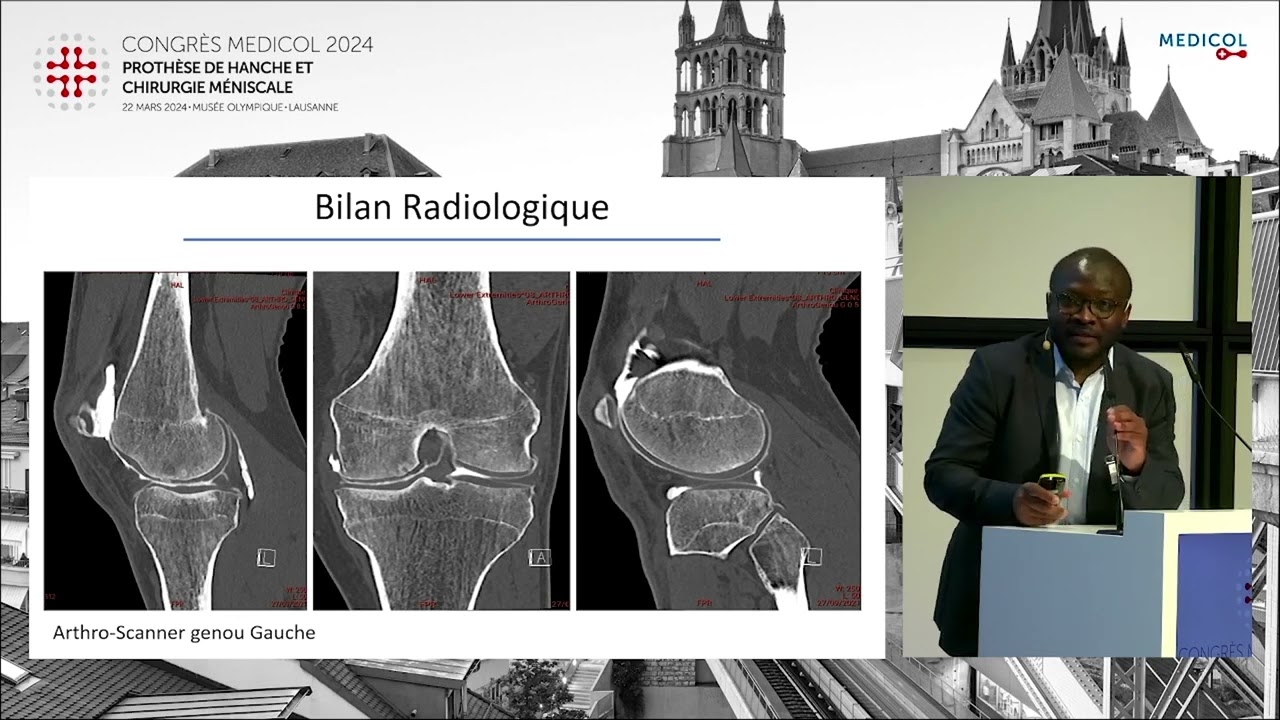
Radiological examination is useful but does not show whether or not a meniscal tear is present, since the menisci are not calcified and are therefore not visible on standard X-rays. Magnetic resonance imaging (MRI), on the other hand, allows for the diagnosis of meniscal tears with a reliability of almost 1001 TP3T for medial meniscal tears and over 901 TP3T for lateral meniscal tears. This examination also allows visualization of any cartilage or ligament damage, thus providing prognostic value for meniscal surgery.

Risk factors

In active and athletic patients, certain sports involving pivoting movements (skiing) or pivot-contact movements (soccer, basketball) increase the risk of ligament or meniscal injuries. Some risk factors, such as functional hallux limitus (www.fhl.science), have recently been identified as predisposing factors. Physical condition, sex, age, and balance also play a role, as does the unique bone structure of the lower limbs.

In so-called degenerative lesions associated with cartilage damage, excess weight plays a significant role, and bowed knees predispose individuals to medial meniscus tears, similar to hip stiffness. Finally, it should be noted that in cases of knee instability following a previous anterior cruciate ligament injury, secondary medial and lateral meniscal tears are common.

Treatments

Self-treatment and conservative treatment

In cases of symptomatic meniscal tears, the pain gradually becomes debilitating; an irritated state of the knee persists, often characterized by swelling during exertion or pseudo-locking. Certain osteopathic or physiotherapy treatments can provide lasting improvement and should be offered as a first-line approach, particularly when cartilage wear is present. However, if surgical repair is indicated, the trial treatment should not be continued beyond six weeks, as the results are less favorable in terms of healing after that time.

Surgical treatments

Surgical treatment of meniscal tears is performed under arthroscopic guidance. The arthroscope is a T-shaped tube connected to a camera that allows the inside of the knee to be viewed on a computer screen. The joint is irrigated under pressure, and a cannula aspirates the joint debris.
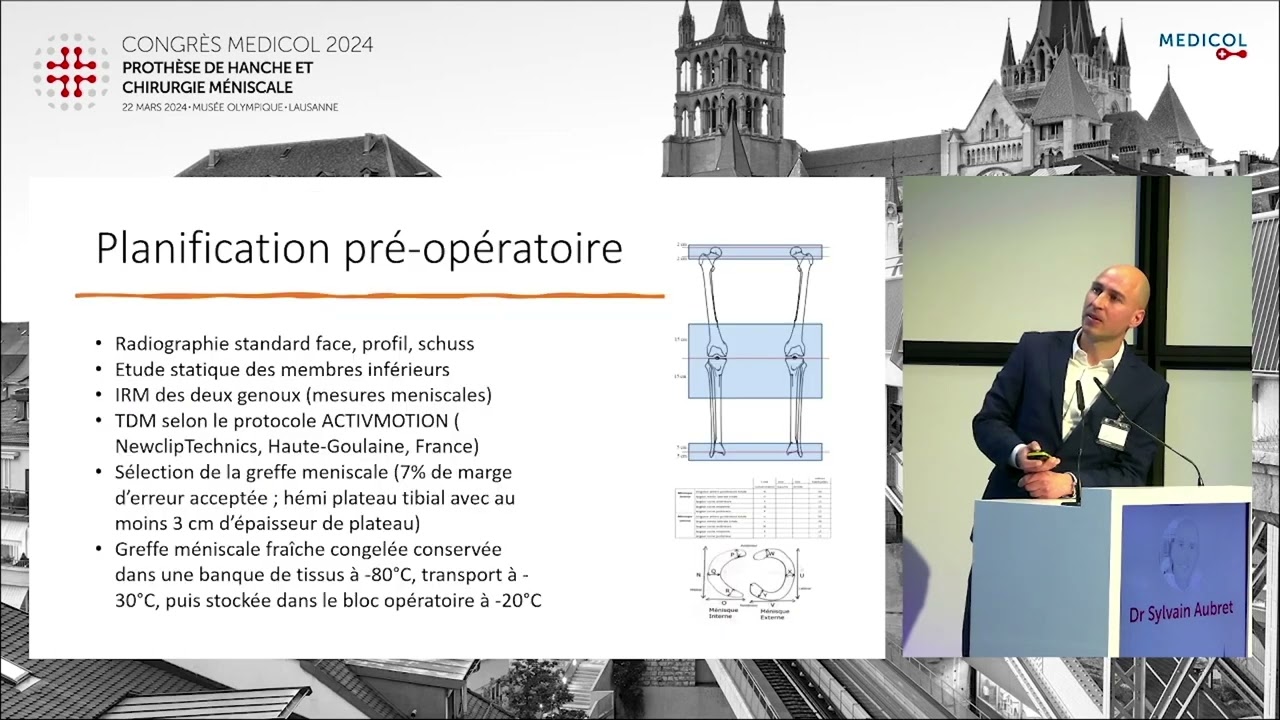
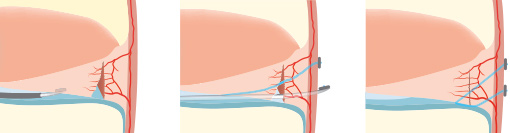
Knee inspection is visual but also involves palpation using instruments inserted into the joint. Once a meniscal tear is identified, the appropriate course of action will be determined based on the type of tear: partial meniscal resection or meniscal repair. Meniscal repair is reserved for peripheral meniscal tears and is generally performed entirely arthroscopically. Small anchors are placed on the outside of the knee, and the meniscus is sutured to the knee wall with a suture. In rare cases (cystic lesions), the repair is performed through a direct approach to the meniscus.

Our favorite methods

Surgical treatment of meniscal tears in cases of resection must be as economical as possible. Indeed, it is known that before arthroscopy, subtotal meniscectomies performed by opening the knee caused long-term osteoarthritis in 100% of cases!

Whenever possible, meniscal tears should be sutured. To do this, we use small absorbable anchors that are placed like tiny harpoons in the joint capsule behind the meniscus. The anchors are connected to each other by a thread that is knotted under tension in the joint.

We must do everything possible to repair meniscal tears, and today we have all sorts of instruments at our disposal to do so. Most often, we use small absorbable anchors that are placed like tiny harpoons in the joint capsule behind the torn meniscus. The anchors are connected to each other by a thread that is knotted under tension in the joint. Healing of meniscal lesions after suturing is achieved in most cases if the lesion is located in a vascularized area.
In cases of non-traumatic but degenerative tears of the medial meniscus, MRI helps monitor management: if the meniscus is extensively torn and the cartilage damage is minimal, a combined procedure involving meniscal resection and repair has a good prognosis. Conversely, if the cartilage damage is extensive with exposure of the subchondral bone and the meniscus is already subluxated at the periphery, the results of arthroscopic meniscal resection are unpredictable, and it is advisable to wait a while before proposing surgery.

Preparation for surgery

Your family doctor's involvement
The procedure is performed under general or spinal anesthesia. Once surgery has been indicated, your doctor will arrange the necessary tests for a simple procedure with no risk of significant bleeding and usually of short duration.

You will receive a summons letter from the Bois-Cerf Clinic with information regarding:

The pre-anesthesia consultation
Before surgery, you will be seen by one of our anesthesiologists who will ask you about your medical history and perform a physical examination. You will then be able to discuss the different methods available and choose the one best suited to your situation (general anesthesia, spinal anesthesia). You will also be informed how and when you should arrive at the clinic on the day of your operation.

Surgery

What you need to bring with you:

  • Your personal belongings
  • Reading material if you enjoy reading
  • Music player
  • Your personal medications (if you are receiving treatment at home)
  • Your optimism and energy… we'll take care of the rest.

Post-operative pain management
We place great importance on your comfort during your stay and in the days following your surgery. The anesthetic strategy will be specifically designed based on your health, your preferences, and the type of surgical procedure, to guarantee you are pain-free upon waking and during rehabilitation. Bed rest and ice will be very helpful during the first few days. Our team will carefully assess your comfort and adjust the treatment accordingly.

Recovery

Usually, it's possible to get up the same day, bearing full weight without crutches, and take a few steps. After an overnight hospital stay, physiotherapy treatment will help you regain the ability to walk without crutches, fully weight-bearing, and teach you a number of useful exercises to practice at home.

The same precautions will be taken in the event of meniscal resection or repair. There is a difference in the recovery of knee mobility; for the first 6 weeks, the knee should not be forced beyond 90° of flexion in the case of meniscal repair.

Patients are usually discharged the day after the procedure, or even two days later in cases of significant residual swelling or pain. Applying ice locally 4 to 5 times a day for 15 minutes is recommended. Muscle strengthening exercises, particularly for the quadriceps, should be performed regularly, and walking should be practiced by keeping the knee straight at heel strike and ensuring a proper rolling motion of the foot.

A follow-up appointment with your surgeon is scheduled after one week for suture removal and clinical evaluation.

Possible risks

The infection
Infection is always a serious complication in orthopedic surgery, but fortunately very rare (less than 0.51 TP3T). Specific measures are taken to minimize these risks, including: systematic pre- and immediate post-operative antibiotic therapy, operating rooms equipped with high-flow laminar airflow, a highly trained and experienced orthopedic surgical team, optimal skin preparation, and a careful assessment of your health.
If you experience fever or local redness after your procedure once you have returned home, you must call your surgeon immediately.

Re-tear of the meniscus
In the case of meniscal resection, it is performed in the most economical way possible due to the protective role the meniscus plays for the joint. The remaining portion can, in turn, develop a new lesion causing symptoms and may require further surgery.
In cases of meniscal repair, healing may be incomplete. A new tear may then occur and, if necessary, require further intervention in the form of a new repair or a meniscal resection.

Secondary osteoarthritis
In the event of meniscal resection in the context of cartilage lesions, osteoarthritis may occur within a more or less predictable timeframe that depends on several parameters (morphology, associated lesions, weight, age, etc.).

Frequently Asked Questions

How long will the operation take?
The duration of this operation can vary from 20 to 60 minutes without posing any particular problem, as it depends on the specific steps involved. It usually takes less than an hour, but preparation time must be factored in.
Prognosis in case of resection
In cases of an isolated tear without cartilage damage in a stable knee, the prognosis is good. If the meniscus is extensively torn and the cartilage damage is minimal, the prognosis after arthroscopic meniscal resection remains relatively good. If the meniscus tear is associated with extensive cartilage damage, the prognosis is guarded and progression to osteoarthritis is likely.
Prognosis in case of suture
Numerous studies show meniscal repair success rates between 80% and 90%. Success depends on the location and type of tear, as well as whether the injury is acute or not. The best results are obtained in young patients with recent peripheral tears. If the ACL is torn, the knee must be stabilized concurrently with the meniscal repair. The prognosis for healing is excellent in most cases.
What are the contraindications?
Except for patients too frail to withstand surgery, or patients unable to walk due to severe damage to the neuromuscular system of the lower limbs, there are no real contraindications to this surgery.
What should I do if my knee swells?
Your knee may remain swollen after the operation. This is partly due to the instillation of fluid during the arthroscopy. This swelling will persist for a few days. You can reduce it by taking anti-inflammatory medication, applying cold packs (ice) to your knee, and resting. However, if your knee shows any suspicious signs of infection, we advise you to contact your surgeon as soon as possible.
When can I drive?
If you own an automatic car and have had surgery on your left knee, you can resume driving. If it's your right knee, it's best to refrain from driving for 2 to 5 weeks, depending on the treatment you receive.
When do I need to see my surgeon again?
A first appointment will be offered 8-10 days after the operation to remove the stitches and ensure there are no complications.
When can I resume playing sports?
Resuming sports requires complete healing of the meniscus, i.e. 6 weeks after resection and 3 months after suturing.
Is a transfusion necessary?
Blood transfusions are rarely required for arthroscopic surgery. This is because the technique generates very little bleeding; any bleeding that does occur is quickly and easily identified and treated by electrocoagulation.

Summary

Address

41 Avenue d'Ouchy
1006 Lausanne

Contact the center

centre@medicol.ch
+41215103348

Learn more in videos

Medicol Videos

13 Videos
Contact one of our specialists on the subject

Ouchy Orthopedic Center

Specialized medical consultations in orthopedics and traumatology in the heart of Lausanne