
Avenue d'Ouchy 30, 1006 Lausanne
info@medicol.ch
Monday - Saturday: 7.00am - 7.00pm
Sunday: 8:30am - 7:30pm
flag English

Knee osteoarthritis

Knee

Introduction

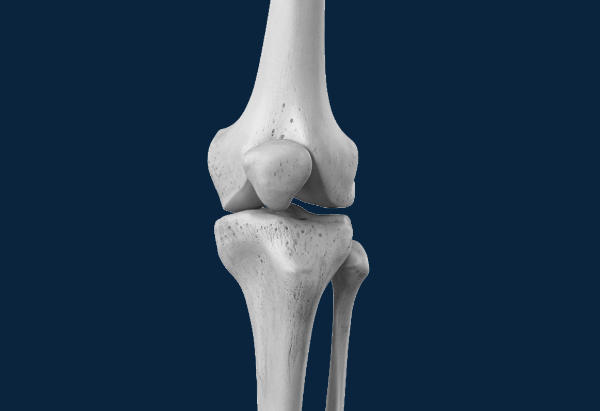
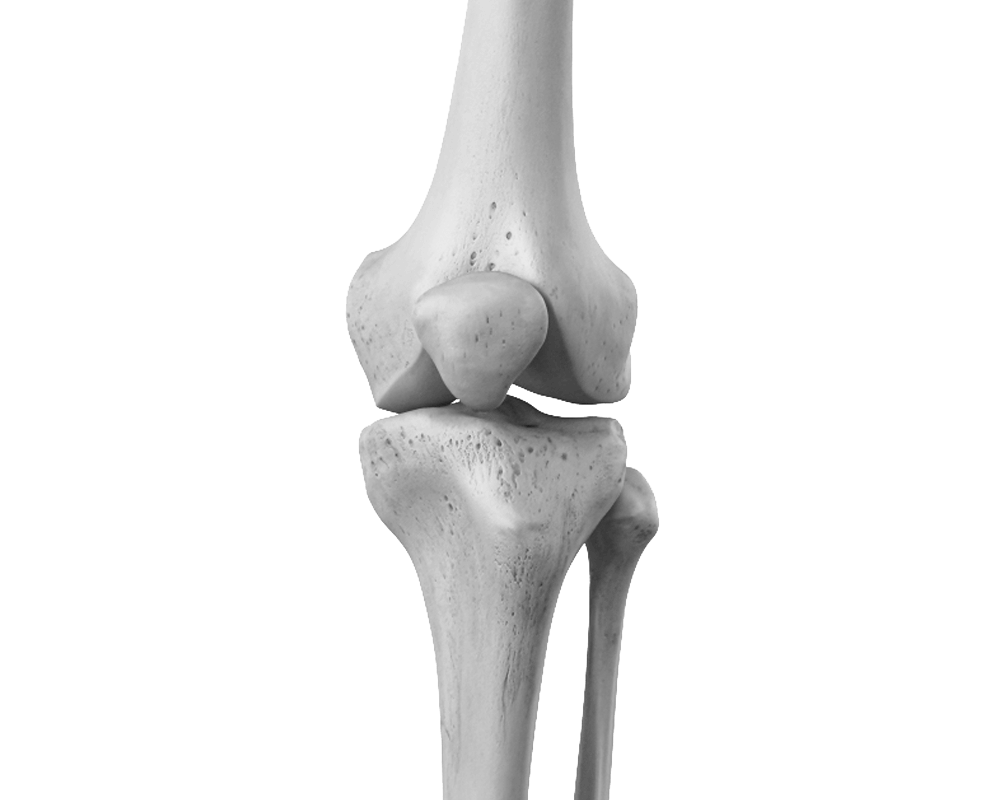
The knee comprises two distinct joints: a weight-bearing condylar joint formed by the femur and tibia, divided into two compartments, medial and lateral, and a trochlear joint formed by the patella and femur. The patella is a sesamoid bone, meaning a bone embedded within a tendon (in this case, the quadriceps tendon). This joint guides the knee's extensor mechanism and amplifies the force of the quadriceps muscle located on the anterior aspect of the thigh.

Medical information brochure

Discover our patient information brochure.

Anatomy

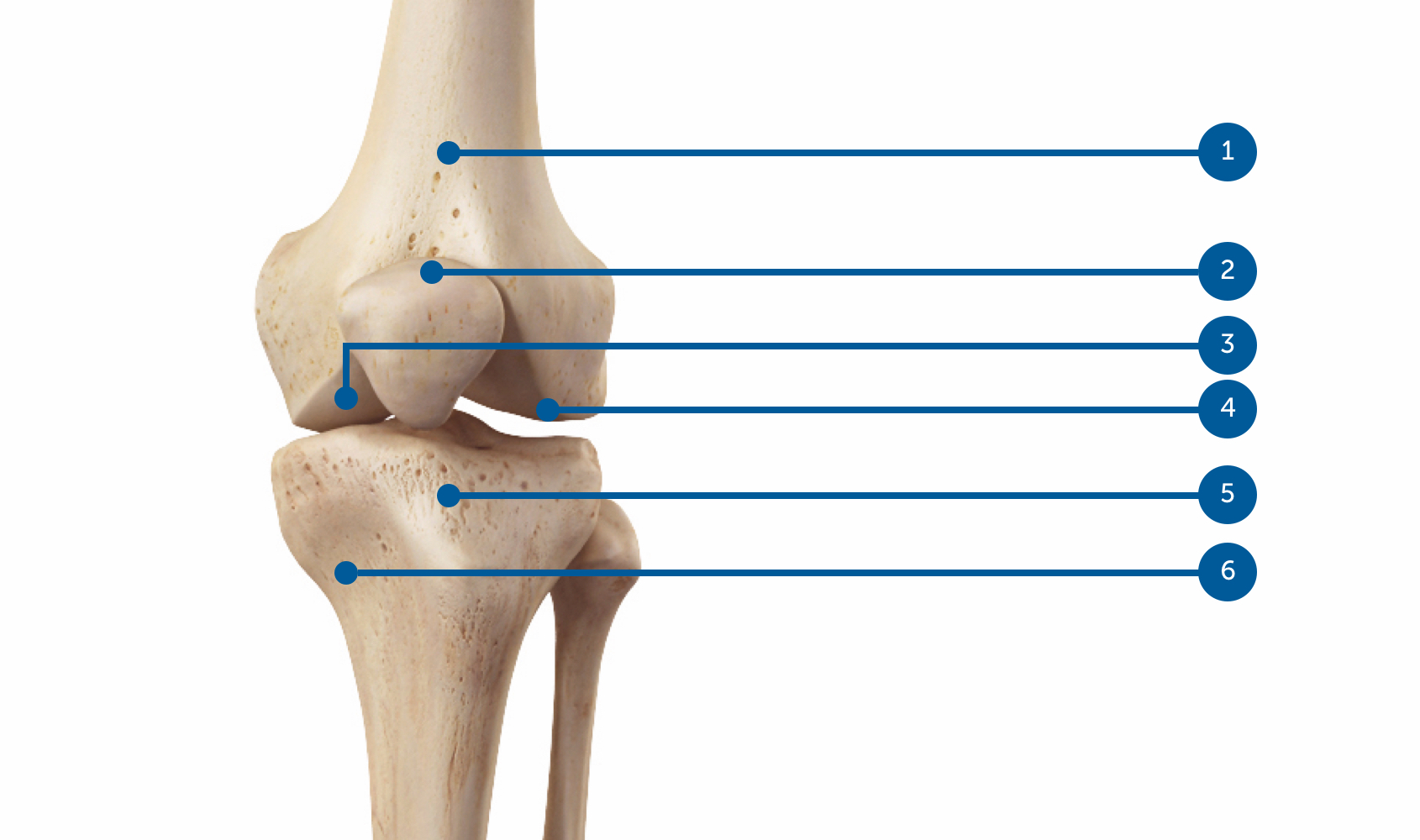
(1) Femur, (2) Patella (kneecap) (3) Lateral femorotibial compartment. (4) Medial femorotibial compartment (5) Tibia. (6) Fibula.

Inside the joint, the bones are covered with cartilage, a very smooth and flexible tissue that facilitates the gliding of the articular surfaces against each other and simultaneously cushions impacts. The ligamentous apparatus of the knee stabilizes the joint and controls joint movement; it is composed of the cruciate ligaments in the center of the joint and the collateral ligaments on the periphery.

The menisci are made of fibrocartilage. Attached to the capsule but nonetheless mobile, their role is to stabilize, shock-absorb, and also lubricate the cartilaginous surfaces. The medial meniscus has a crescent shape, while the lateral meniscus, which is thicker, has a more disc-like appearance.

Signs & symptoms

Pain is the main symptom of osteoarthritis. The gradual loss of cartilage leads to bone-on-bone contact, which is the source of the pain. This pain can be localized to a specific area of the knee or, conversely, affect the entire joint. The onset of pain can be sudden or gradual. Often occurring in the morning, sometimes at night, the pain is generally aggravated by walking, particularly downhill, and can be weather-dependent.

Other symptoms may be present in the form of:

  • of an effusion,
  • of a limp,
  • blockages or
  • of hooks.

Due to joint damage, a limitation of knee mobility gradually appears.

If you experience persistent knee pain, a medical examination is necessary to determine its cause and establish a prognosis. In some cases, knee pain may be related to a hip problem.

What is this?

Osteoarthritis is a condition where cartilage wears away, gradually exposing the bone surfaces. The bone-on-bone contact is what causes the symptoms.

Gradually the internal architecture of the knee will change with the appearance of bone spurs, crevices, cysts and surface irregularities generating pain, locking or giving way of the knee and a progressive limitation of walking distance accompanied by a gradual limitation of joint mobility.

Osteoarthritis can coexist with ligament or meniscal lesions, affect part or all of the joint, be related to a rheumatological condition, result from a parenthesis or Y-shaped lower limb morphology that unbalances weight distribution, be post-traumatic in nature after a fracture, or be related to being overweight.

Risk factors

Certain factors, such as being overweight, the after-effects of accidents or surgeries, or hereditary factors, can predispose individuals to osteoarthritis. Other causes are well-defined, such as:

Rheumatoid arthritis
An autoimmune disease that causes inflammation of the joint, leading to the progressive destruction of cartilage. Generally, several joints are affected, and the disease progresses in successive flare-ups.

Bone necrosis
Localized arterial vascular disorders can lead to the collapse of part of the bone tissue or cystic deformities resulting in joint incongruity that progresses to osteoarthritis.

Trochlear femoral dysplasia or lateral condyle hypoplasia

Certain bone morphologies predispose individuals to osteoarthritis, as do certain morphological constitutions such as lower limbs in an O or X shape.

Osteoarthritis of post-traumatic origin
After fracture of the tibial plateaus or condyles, after ligament injuries in particular of the cruciate ligaments or surgery on the menisci.

Screening & Diagnosis

In cases of persistent pain associated with a gradual reduction in walking distance or restricted knee mobility, a clinical examination and standard radiographic assessment of the knee are recommended. This examination generally reveals visible osteoarthritic lesions as bone spurs and also as narrowing of the joint space, indicative of cartilage thinning or loss. In the early stages of osteoarthritis, magnetic resonance imaging (MRI) allows for a precise assessment of cartilage lesions and can also reveal any damage to the ligaments or menisci.

Treatments

Self-treatment

In cases of osteoarthritis, knee pain usually responds well to anti-inflammatory medications and the use of crutches to relieve weight-bearing. Applying ice locally can be beneficial, as can certain stretching exercises, particularly those aimed at restoring full knee extension. Leisure activities should be adapted by avoiding prolonged walking, especially uphill, and avoiding contact or pivoting sports, sticking to activities such as cycling, water aerobics, or Nordic walking.

If pain persists or is resistant to treatment and joint protection, it is advisable to consult a doctor to accurately assess the damage.

Medical treatments

Anti-inflammatory drugs are generally effective in relieving pain, especially in the early stages of osteoarthritis. Certain substances, such as hyaluronic acid, can also be administered via intra-articular injection, providing temporary relief that can last for several months. Well-managed physiotherapy or osteopathic treatment, dietary adjustments for overweight individuals, and modifications to leisure and sporting activities often lead to improvements in symptoms and walking ability.

As this is a weight-bearing joint, the measures mentioned above are often insufficient to provide lasting pain relief, and surgical measures must then be considered in the form of a lower limb realignment osteotomy or a partial or total knee arthroplasty.

Tibial valgus osteotomy
In some cases, joint damage is limited to one compartment of the knee. Most often, this involves osteoarthritis of the medial compartment, which occurs in patients with a bowed knee (knock-knees) or in the context of previous surgery such as medial meniscus resection or anterior cruciate ligament (ACL) tears. This form of osteoarthritis is observed primarily in active patients between 50 and 65 years of age, and being overweight is an aggravating factor. Valgus osteotomy aims to correct the alignment of the lower limb to achieve better weight distribution across the entire knee. This corrective tibial osteotomy can be performed by external subtraction or internal addition. The correction is planned based on radiological assessment and is generally between 5 and 15 degrees.

Total knee replacement
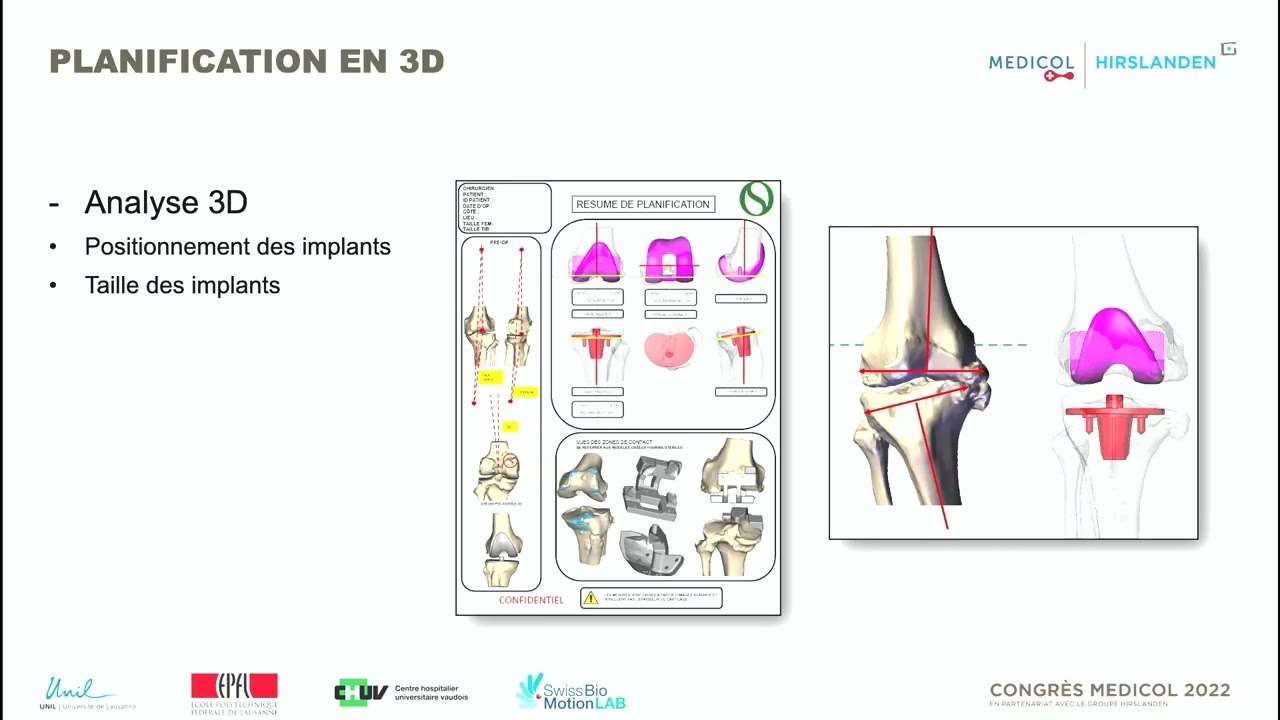
Total knee arthroplasty involves replacing the joint surfaces with implants that have an anatomical shape as close as possible to that of a normal knee and are connected to each other by means of a polyethylene spacer. This joint resurfacing is very effective in relieving pain and generally allows the patient to regain good joint function and walking ability.

Partial knee replacement
A partial knee replacement involves replacing only part of the joint: the medial tibiofemoral joint, the lateral tibiofemoral joint, or the patellofemoral joint. This operation is indicated when only one of the joint compartments is affected by osteoarthritis and certain conditions are met: good joint mobility, intact ligaments, and no excess weight.

The success of surgical treatment depends largely on the indication and it will be necessary for each case to consider the different surgical possibilities and to choose the most appropriate one for each individual by having all the necessary elements: clinical assessment, gait assessment, radiological assessment, assessment of the general condition and of the other joints.

Our favorite methods

The three most common operations for knee osteoarthritis are: tibial valgus osteotomy, unicompartmental femorotibial prosthesis and total knee replacement.

Valgus tibial osteotomy:
This procedure involves modifying the tibial axis to correct its mechanical alignment and thus achieve better load distribution across the entire knee. This operation is generally performed as an opening wedge osteotomy: the tibia is opened on its medial side, and a bone graft harvested from the ipsilateral tibial crest is inserted. The graft is then shaped to the required thickness based on the calculation of the desired correction. This medial opening is then stabilized with a plate. Postoperative rehabilitation consists of a gradual recovery of knee mobility combined with progressive weight-bearing over six weeks, starting at 20 kg. After a radiological assessment at six weeks, full weight-bearing is generally permitted, and crutches can be discontinued once the limp has resolved.

The unicompartmental femorotibial prosthesis:

This procedure involves replacing only a portion of the weight-bearing joint on the medial or lateral aspect of the tibiofemoral joint. This is achieved through a small incision, resurfacing of the medial or lateral condyle, and placement of a cemented tibial metal plate. A mobile or fixed polyethylene component is then inserted between the two elements. Indications for this surgical treatment are limited to localized osteoarthritis of the knee. Excess weight, significant malalignment, ligamentous injury of the central pivot, or concomitant hip involvement contraindicate this type of procedure.

Total knee replacement:
This procedure involves replacing the entire knee joint, but some prostheses allow the patella to remain in its natural state. Several types of implants exist: fixed or mobile bearing surfaces, cam-operated or camless, constrained or unconstrained, cemented or uncemented. The suitability of a particular implant is determined based on various criteria: the degree of osteoarthritis, associated ligament damage, concomitant joint damage in the lower limb, age, weight, general health, etc.

In most cases, we opt for unconstrained, uncemented prostheses that promote non-prosthetic replacement of the patella through an adapted conformation of the femur and the presence of a mobile plate.

Surgery

Preparation for surgery

Your family doctor's involvement
We will be in constant communication with your family doctor to discuss and proceed with the best treatment option for you. Once surgery has been indicated, your doctor will arrange the necessary tests to complete the anesthesiologist's pre-operative assessment.

You will receive a summons letter from the Bois-Cerf Clinic with information regarding:

Pre-anesthesia consultation
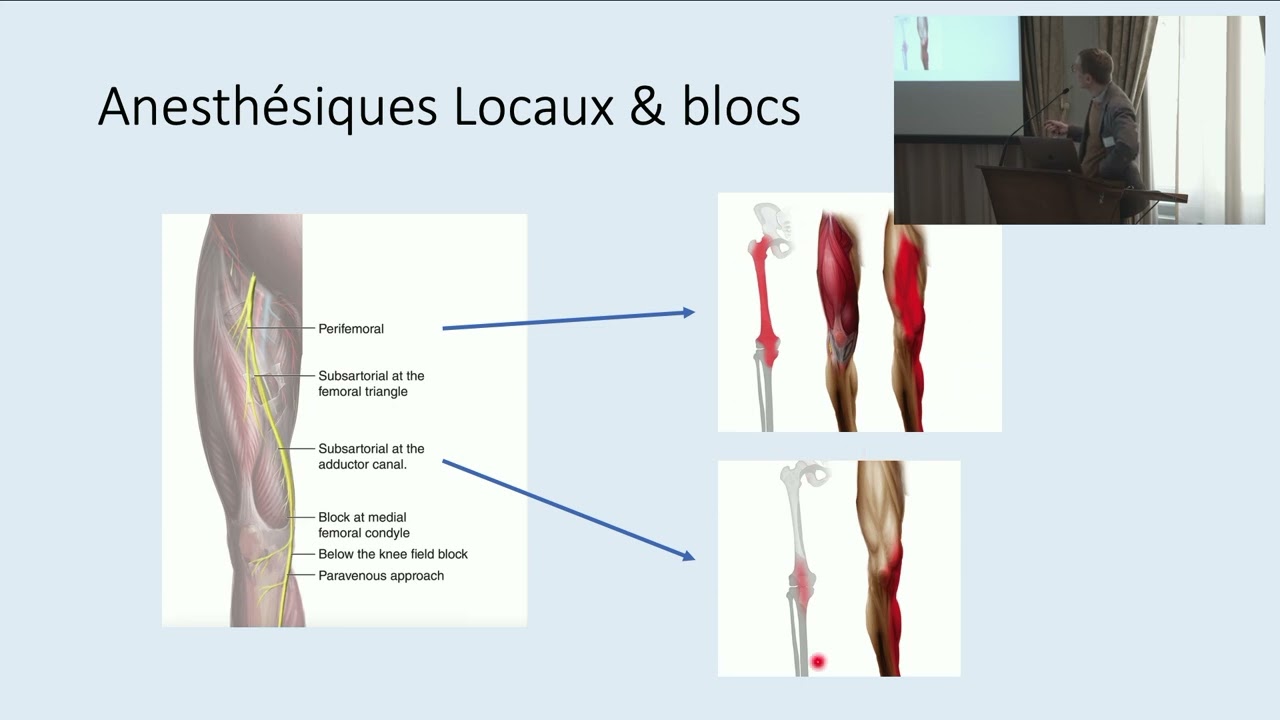
Before surgery, you will be seen by one of our anesthesiologists who will ask you about your medical history before conducting a clinical examination. You will then be able to discuss the different methods available and choose the most suitable one for your specific case (general anesthesia, epidural anesthesia, spinal anesthesia, regional venous anesthesia, nerve blocks, combined anesthesia).

– What day and what time should I arrive at the reception of the Bois-Cerf Clinic? It could be the day before or the day of the procedure.

Surgery

What you need to bring with you:

  • Your personal belongings
  • Reading material if you enjoy reading
  • Music player
  • Your personal medications (if you are receiving treatment at home)
  • Your optimism and energy... we'll take care of the rest.

Post-operative pain management
PAIN AFTER THE OPERATION IS UNACCEPTABLE FOR US.
The night before your surgery and again in the hour before your anesthesia, you will receive premedication (a tablet to help you relax). The anesthetic strategy will be specifically tailored to your health, your preferences, and the type of surgery, with the aim of ensuring you experience no pain upon waking and during your rehabilitation.

Bed rest and ice will be helpful during the first few days. Our team will carefully assess the presence and intensity of your pain with you 24/7 and adjust your treatment accordingly.

Recovery

Recovery room

  • Pain control.
  • Blood recovery from drains and restoration of lost blood.
  • Local adaptation of ice.
  • Adaptation of inflatable slippers whose purpose is to facilitate venous return and prevent a thromboembolic complication.
  • Small movements of the knee and ankles.

The first post-operative day

  • Active contraction of the calf muscle and, if possible, the thigh muscle.
  • Knee mobilization on a motorized brace.
  • Continued use of inflatable booties.
  • Comprehensive mobilization and toning exercises.

Second post-operative day

  • First standing up while supporting oneself according to pain levels, full weight-bearing is permitted.
  • Continued muscle strengthening exercises, particularly for the thigh, active and passive mobilization of the knee, flexion and extension postures, flexibility and drainage.
  • The Velcro brace is worn until active control of knee extension is achieved.
  • Dressing change, drains removed and waterproof dressing applied.
  • Continue applying local ice 6 times a day for 15 minutes.

Third post-operative day

  • Walk down the corridor.
  • First shower.
  • Continuation of physiotherapy, mobilization and muscle strengthening activities.

Fourth post-operative day

  • Recovery of independence with transfer training and continuation of active and passive knee exercises.
  • The walk begins up the stairs.
  • Meals are eaten while seated at a table.

Fifth post-operative day
Active extension of the knee is now possible and walking can usually be done without a brace.
Mobilization activities can be carried out outside of physiotherapy sessions.
Pool exercises are possible depending on the progress of the healing process.
Control of inflammation and continuation of mobilization exercises.

A return home is possible from the 6th day if the autonomy to walk is sufficient and if the rehabilitation program and the exercises to be done at home have been well understood and practiced.

Upon leaving the clinic, you must be able to continue thromboembolic prevention by subcutaneous injections, have appointments for your physiotherapy sessions, have the necessary help at home, be informed about the medication to follow, have the prescription to pick up your medications at the pharmacy and have your appointment for staple removal with your surgeon.

Rehabilitation after your stay in the clinic
It is essential to regain a smooth, easy gait without a limp, and to achieve this, it is important to encourage yourself to walk outdoors. From the first few days at home, it is advisable to avoid prolonged sitting and to schedule several exercises each morning and one session in the afternoon, each lasting approximately one hour. These exercises will be planned in advance with your physiotherapist during your stay at the clinic.

It is important to continue using crutches long enough to completely eliminate the limp and prevent falls. Weaning typically occurs between 5 and 8 weeks for a total knee replacement, and between 3 and 6 weeks for a partial knee replacement. Exercises to maintain pelvic alignment while standing are crucial, as is swinging the arms while walking. Applying ice locally or performing massage and lymphatic drainage on the knee are also helpful aids to promote healing.

Possible risks

The infection
Infection is always a serious complication in orthopedic surgery, but fortunately very rare (less than 0.51 TP3T) in hip replacement. Specific measures are taken to minimize these risks, including: systematic preoperative and immediate postoperative antibiotic therapy, operating rooms equipped with high-flow laminar flow, a highly trained and experienced orthopedic surgical team, optimal skin preparation, and a careful assessment of your overall health. Some infections have been reported months or years after the procedure due to the spread of bacteria from distant sources of infection, such as dental or urinary tract infections, via the bloodstream. Prophylaxis is sometimes necessary during certain treatments, particularly dental ones, to minimize this type of complication.

If you develop a fever or local redness during your procedure once you have returned home, you must call your surgeon immediately.

Venous thrombosis and pulmonary embolism
This is a known complication of hip and knee replacement surgery. Preventive treatment involves receiving prophylaxis with anticoagulants (low molecular weight heparin by subcutaneous injection during the pre- and post-operative periods, approximately 3 weeks). Inflatable stockings are used post-operatively to actively increase venous return while you are bedridden. These stockings inflate alternately under the sole of each foot and are worn for the first 48 hours after the procedure.

You are also encouraged during your stay, starting from the first day after surgery, to perform certain exercises to stimulate venous return, particularly ankle and foot movements to strengthen the calf muscles. The condition of your veins will be assessed before your discharge from the clinic using a dupplex ultrasound. This examination will tell us about the patency of your veins and the presence or absence of a blood clot (thrombosis). Anti-thrombotic prophylaxis will be tailored based on the results of this examination and also according to individual risk factors (heredity, obesity, history of thrombosis).

If you experience calf pain or a tight appearance of the calf at home during the post-operative phase, you must call your surgeon immediately.

Pulmonary embolism
This complication results from a blood clot migrating from a peripheral vein to the lungs. It is a rare complication, but if you experience breathing difficulties, you must call your surgeon immediately.

Bleeding
During your operation and the time spent in the recovery room, the blood you lost is collected and then transfused back into your body. This method usually makes it possible to avoid the need for blood transfusions after the procedure.

In some cases, autotransfusion (blood drawn 4 weeks before the procedure) or erythropoietin may be used. However, these are extremely rare (blood disorders, religious beliefs, etc.).

Other less frequent complications are possible such as nerve damage from stretching of the sciatic nerve, migration or loosening of implants, unequal length, etc.

Prevention is better than cure: good preparation on your part and an attentive surgeon are the best assets for the success of your operation without complications.

Frequently Asked Questions

How long does the operation take?
Approximately 1 hour 30 minutes to 2 hours
What is the prosthesis made of?
Different types of materials can be used depending on the type of implant. The contact surfaces are generally made of chromium/cobalt/molybdenum for metallic implants or oxynium. The intermediate component is polyethylene. In uncemented implants, the contact surface between the metallic implant and the bone is made of porous titanium, usually coated with hydroxyapatite, a substance used for its osteoinductive effect.
Will I set off the alarms when going through airports?
Yes, generally, as it is a fairly large metallic implant, it is detectable at the airport gate and we will give you an implant carrier card for this purpose.
Do I need to take antibiotics when I go to the dentist?
Antibiotic prophylaxis may sometimes be recommended during extensive dental cleanings or in cases of dental abscesses. For other treatments, the need for antibiotic prophylaxis should be assessed on a case-by-case basis.
When will I be able to start playing sports again?
Resuming sports activities should be gradual. Activities such as Nordic walking, cross-country skiing, or brisk walking can be resumed from the 6th week; skiing, tennis, or golf can be resumed after three months. Activities like running are not recommended.
When can I start driving?
Driving is permitted in an automatic car from the 10th day after surgery if the left knee was operated on. For a manual car, a waiting period of 3 weeks is required for the left knee. For the right knee, it is at the end of the 6th week. However, driving is only permitted once there is excellent control of the lower limb, allowing the driver to brake suddenly if necessary without hesitation.
How long should I keep the rods?
It is important to regain a smooth, limp-free gait with a symmetrical step and good lumbar-pelvic alignment. To achieve this, you should continue using crutches until you are able to walk normally, which typically takes 4 to 7 weeks.
How long does a prosthesis last?
Currently, if we refer to orthopedic medical literature, the duration of implants far exceeds 20 or even 30 years (implant survival rate of more than 95% at 15 years).
When will I be able to take a shower?
Generally from the 3rd postoperative day.

Summary

Address

41 Avenue d'Ouchy
1006 Lausanne

Contact the center

centre@medicol.ch
+41215103348

Learn more in videos

Medicol Videos

17 Videos

Contact one of our specialists on the subject

Ouchy Orthopedic Center

Specialized medical consultations in orthopedics and traumatology in the heart of Lausanne